Branding has been dead for decades
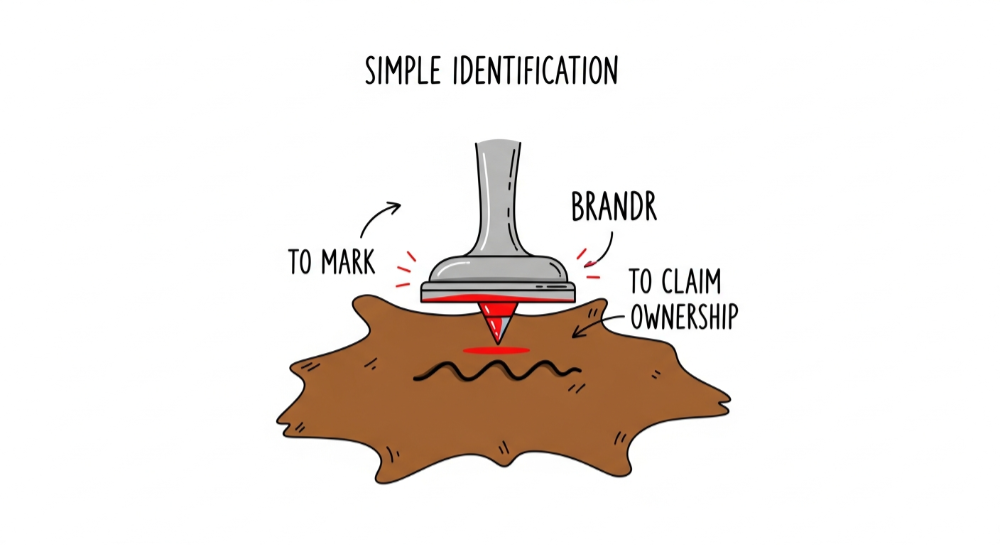
A Norse farmer pressed a red-hot iron into cattle hide.
The smell of burning flesh. The animal's cry. The permanent scar that said: "Mine."
That's where "brandr" comes from. To burn. To mark. To claim ownership.
For thousands of years, that's all branding was, farmers burning livestock, artisans carving symbols into pottery. Simple identification. "This is mine, not yours."

Then something shifted.
Brands stopped being about ownership and started being about perception. About what people felt when they saw your mark. About the story they told themselves when they bought your thing instead of someone else's.
You know this already. You've spent years looking at brands built on this foundation, identity systems, positioning statements, and brand guidelines thick enough to stop a door.
But what's killing me is that most brand strategists are still operating like it's 2005.
They're building static identities in a world that's moving faster than any positioning doc can keep up with. They're creating "brand voices" that sound identical because they're all following the same playbooks. They're doing competitive audits while AI is making competitive advantage obsolete.
The painful truth? The branding you learned is becoming irrelevant.
Not because it was wrong. Because the game changed.
Over the next five days, I'm walking you through the entire evolution of branding, from burning cattle in ancient fields to what's happening right now in 2025 that's making 90% of brand work obsolete.
- Day 2: How branding became psychology (and why that's the trap)
- Day 3: The AI shift nobody's talking about honestly
- Day 4: What replaces brand strategy when machines can do it faster
- Day 5: The only branding that survives what's coming
This isn't theory. It's also not another "AI is coming" think piece. It's a map of where we've been, where we are, and where this is actually going --- based on what's already happening, not what might happen.
If you're a strategist worth your rate, you're feeling it already. That nagging sense that the old playbook isn't working like it used to. That clients are questioning the value of six-week brand sprints. That AI tools are doing in minutes what used to take you weeks.
You're not wrong to feel that.
This is one more reason why The Brand Engine is the best way for an entrepreneur to get clarity about the business. (Relaunching soooon)
Tomorrow, I'll show you exactly when branding stopped being about marks and started being about minds and why that shift is now working against us.
Reply and tell me: what's the biggest change you've noticed in how people talk about branding in the last year?
--- Shashank
P.S.
The businesses that survive the next three years won't be the ones with the best frameworks. They'll be the ones who see what's actually replacing frameworks. More on that on Thursday.
Shoppers are adding to cart for the holidays

Over the next year, Roku predicts that 100% of the streaming audience will see ads. For growth marketers in 2026, CTV will remain an important "safe space" as AI creates widespread disruption in the search and social channels. Plus, easier access to self-serve CTV ad buying tools and targeting options will lead to a surge in locally-targeted streaming campaigns.
Read our guide to find out why growth marketers should make sure CTV is part of their 2026 media mix.
11, PNR Nagar
Dindigul, Tamil Nadu 624001, India

No comments yet. Be the first to comment!